
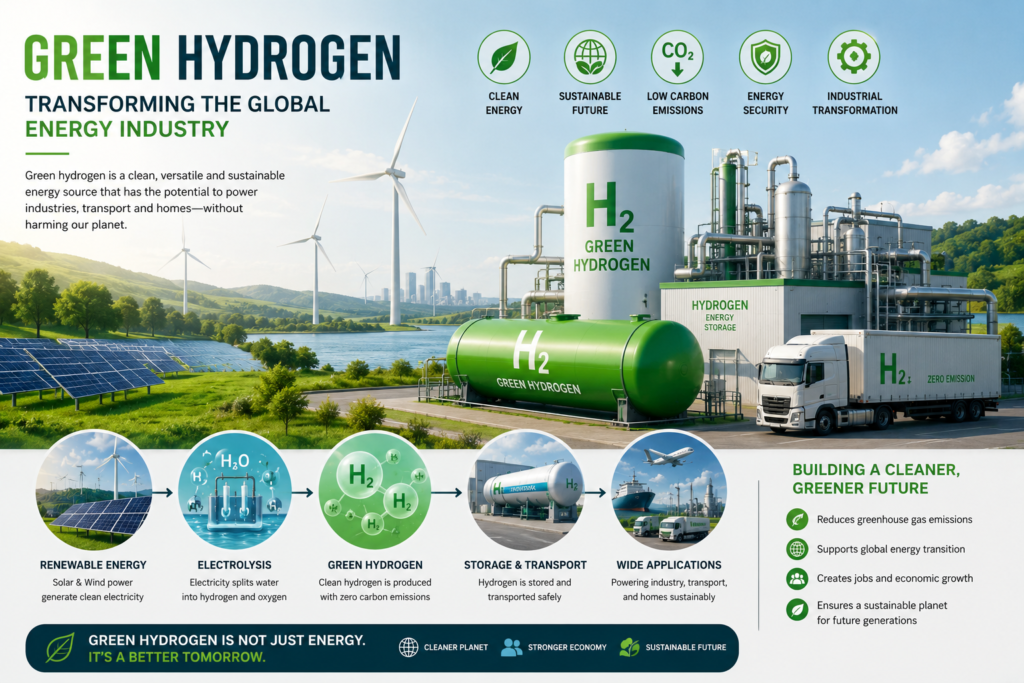
Transforming the Global Energy Industry is one of the most significant challenges and opportunities of the 21st century. As countries work to reduce carbon emissions while meeting growing energy demand, governments, businesses, and researchers are investing in cleaner technologies and more efficient energy systems. This transformation is reshaping how electricity is generated, fuels are produced, and energy is delivered to homes, industries, and transportation networks around the world.
The global energy sector is evolving rapidly through innovation, digital technologies, renewable resources, and improved efficiency. At the same time, conventional energy sources such as oil and natural gas continue to play an important role in supporting economic growth and ensuring reliable energy supplies during the transition toward a more sustainable future.
Transforming the Global Energy Industry Through Renewable Energy
Transforming the Global Energy Industry depends heavily on expanding renewable energy sources such as solar, wind, hydropower, and geothermal energy. These renewable resources provide clean electricity while reducing greenhouse gas emissions and dependence on fossil fuels.
Solar panels convert sunlight into electricity, wind turbines generate clean power from moving air, and hydroelectric plants use flowing water to produce reliable energy. Geothermal systems harness the Earth’s natural heat for electricity generation and heating. Together, these technologies help countries build cleaner and more resilient energy systems.
Green Hydrogen and the Future of Clean Energy
Green hydrogen is becoming one of the most promising technologies for transforming the global energy industry. Produced by using renewable electricity to split water into hydrogen and oxygen, green hydrogen creates little to no carbon emissions during production.
Green hydrogen can be used in heavy industries, shipping, aviation, electricity storage, and transportation. It also helps balance renewable energy by storing excess electricity generated from solar and wind farms. As production costs continue to decline, green hydrogen is expected to become an essential component of the global clean energy transition.
Oil and Natural Gas in the Energy Transition
Although renewable energy continues to expand, oil and natural gas remain critical components of the world’s energy system. They provide reliable fuel for transportation, electricity generation, manufacturing, petrochemicals, and industrial production.
Modern technologies are helping reduce emissions associated with oil and natural gas through carbon capture, methane reduction, digital monitoring, and improved operational efficiency. These innovations allow the industry to support energy security while contributing to long-term sustainability goals.
Technology Driving Energy Innovation
Digital transformation is accelerating progress across the energy industry. Artificial intelligence, smart grids, automation, cloud computing, and the Internet of Things enable utilities and energy companies to improve efficiency, predict equipment maintenance, optimize electricity distribution, and reduce operational costs.
Energy storage systems, advanced batteries, and intelligent grid management also improve the integration of renewable energy into national power networks. These innovations increase reliability while supporting cleaner electricity generation
Environmental and Economic Benefits
Transforming the global energy industry delivers important environmental, economic, and social benefits. Cleaner energy technologies improve air quality, reduce greenhouse gas emissions, strengthen energy security, and encourage sustainable resource management.
The energy transition also creates millions of new jobs in renewable energy, engineering, manufacturing, construction, research, and environmental services. Investments in clean technologies stimulate innovation, attract private capital, and support long-term economic development across both developed and developing countries.
The Future of Transforming the Global Energy Industry
The future of Transforming the Global Energy Industry will rely on cooperation between governments, businesses, researchers, and communities. Continued investment in renewable energy, green hydrogen, geothermal power, advanced batteries, carbon capture technologies, and efficient oil and natural gas operations will create a balanced and secure energy system.
A successful energy transition requires innovation, responsible natural resource management, supportive policies, and global collaboration. By combining clean energy technologies with reliable energy infrastructure, the world can achieve greater sustainability, economic growth, and energy resilience.
Transforming the Global Energy Industry is shaping a cleaner, smarter, and more sustainable future. Renewable energy, green hydrogen, geothermal resources, digital innovation, and responsible management of oil and natural gas are all contributing to this global transformation. As technology advances and investments continue to grow, the energy industry will play a central role in supporting environmental protection, economic prosperity, and energy security for generations to come.