natural resources
Natural resources are the foundation of life and economic development. They include water, forests, minerals, soil, wildlife, oil, natural gas, sunlight, and wind. These valuable resources provide food, energy, clean water, and raw materials for industries around the world.
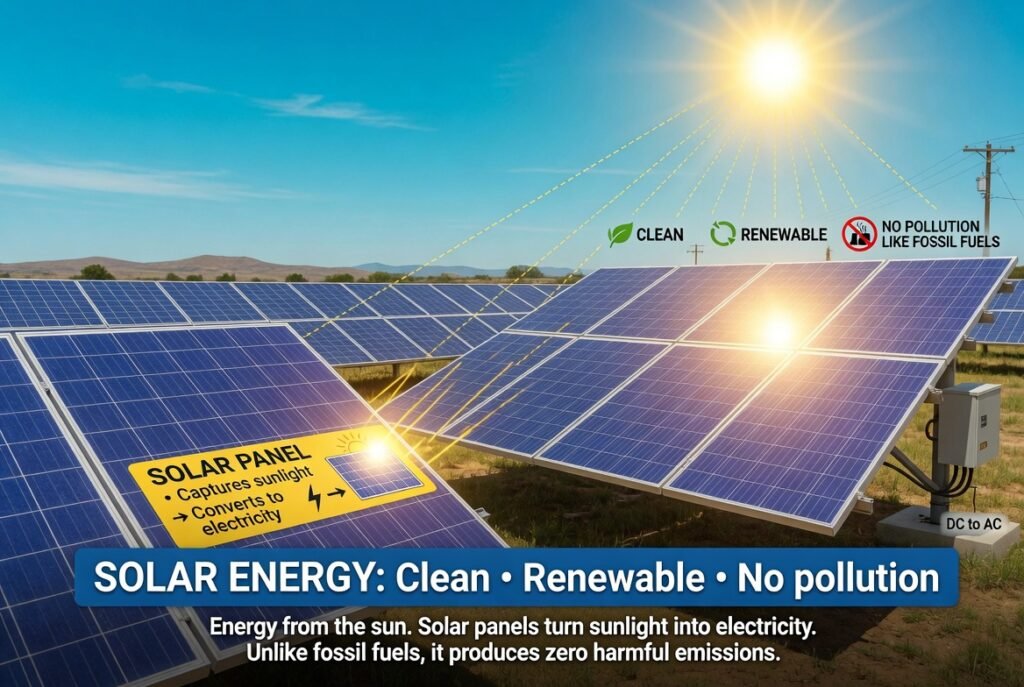
Solar energy is energy that comes from the sun. People use solar panels to capture sunlight and turn it into electricity. Solar energy is clean, renewable, and does not produce harmful pollution like fossil fuels.
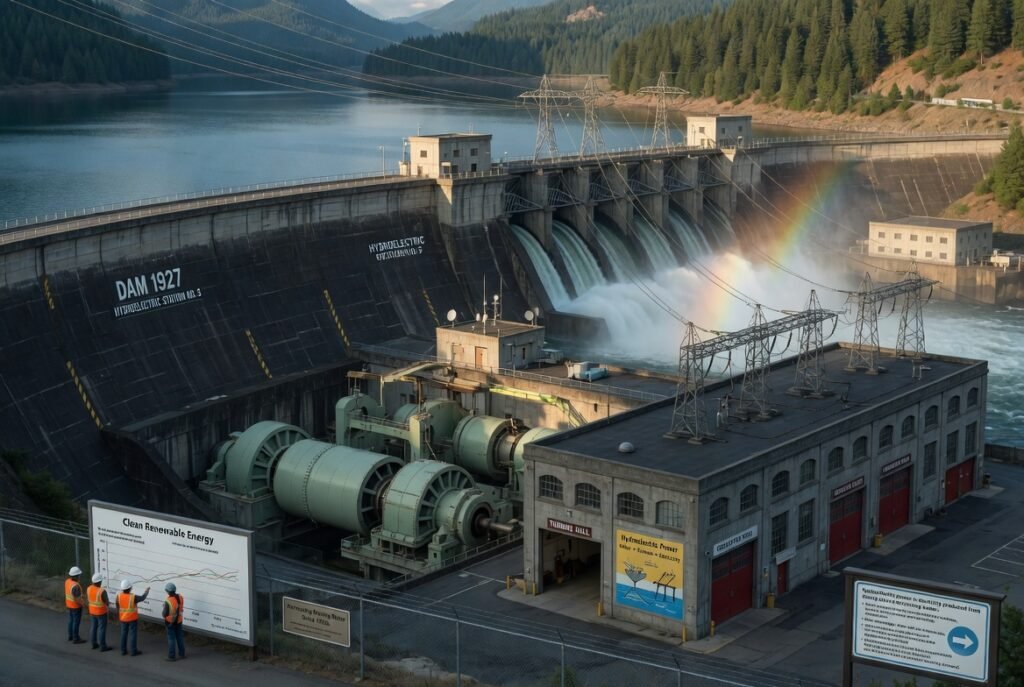
Hydroelectric power is electricity produced from moving water. It is one of the oldest and most widely used renewable energy sources in the world. Water stored in dams flows through large turbines, causing them to spin and generate electricity.
natural ressources
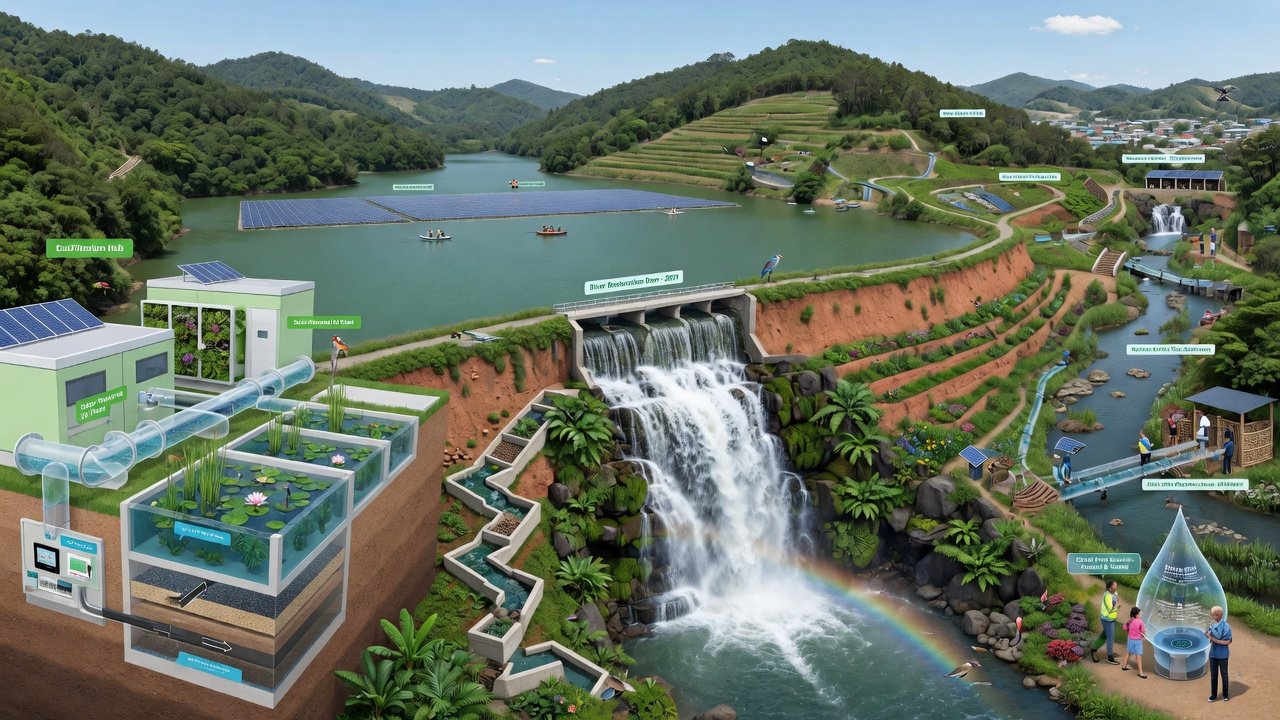
Importance of Water Resources
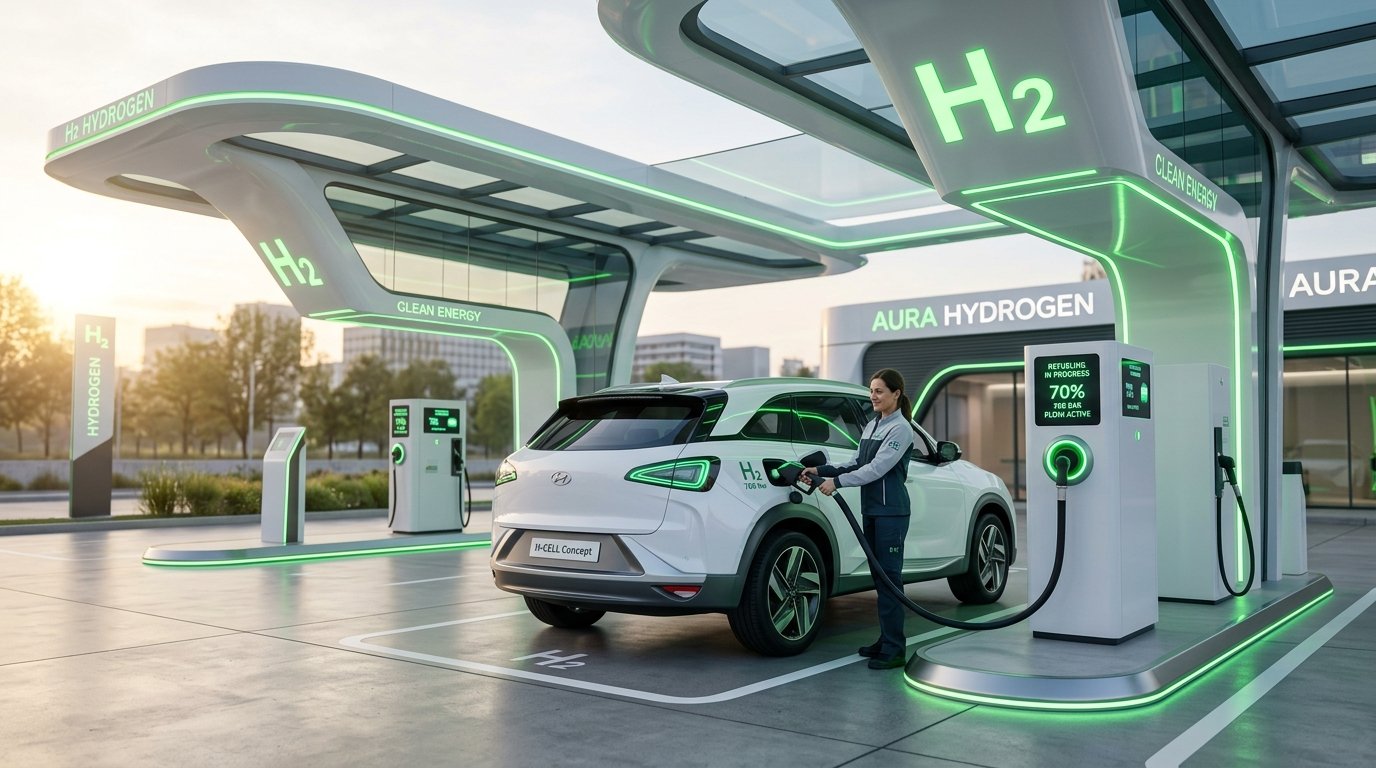
futuristic hydrogen fueling station

Forest
Forest is one of the world’s most important natural resources, supporting biodiversity, regulating the climate, protecting soil, and providing clean air and freshwater. Forests are home to millions of plant
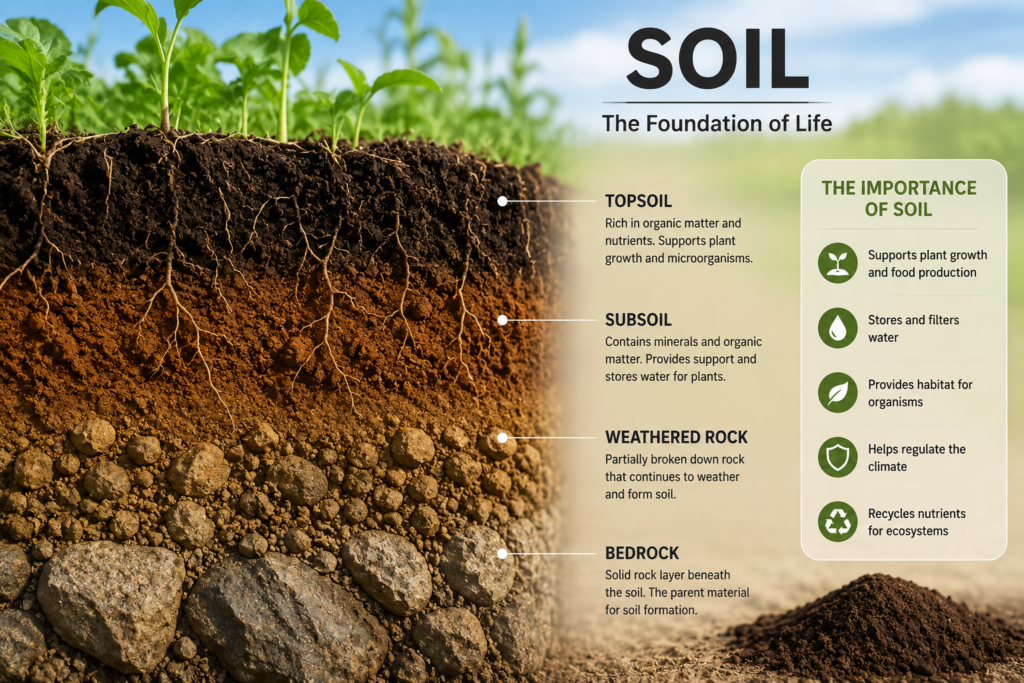
Soil
Soil is one of the Earth’s most valuable natural resources, providing the foundation for agriculture, forests, ecosystems, and biodiversity. It supplies essential nutrients, stores water, supports plant growth,
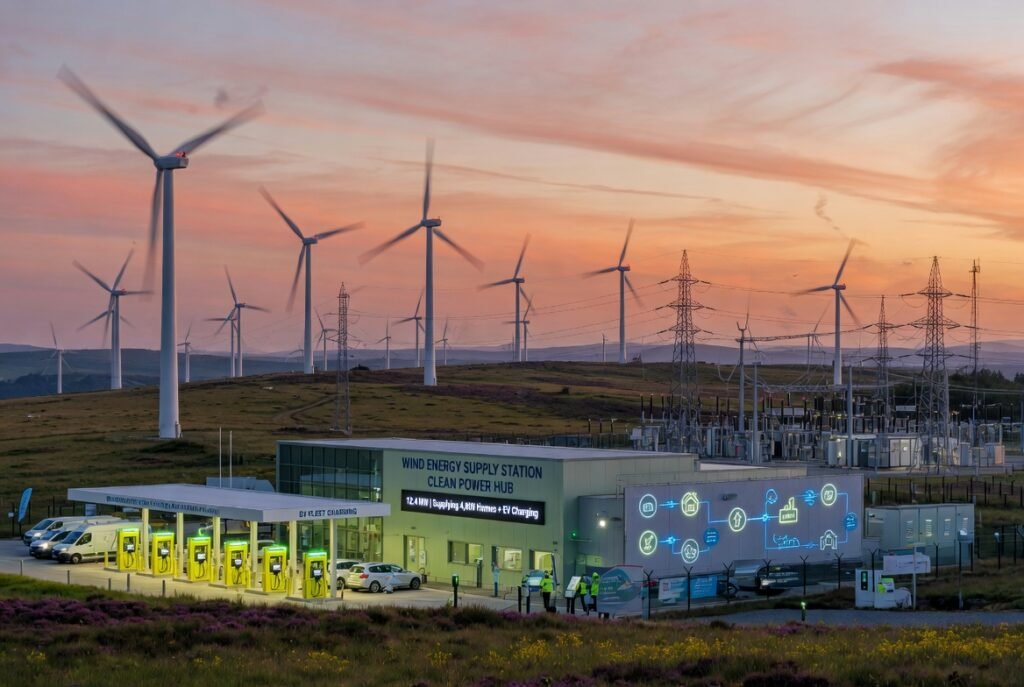
Wind Energy Supply Station
Wind Energy Supply Station is a modern renewable energy facility that generates clean electricity using wind turbines. It captures the natural power of the wind and converts it into reliable electricity for homes, businesses, and industries while reducing greenhouse gas emissions and dependence on fossil fuels.
Benefits of Green Hydrogen
Green hydrogen offers numerous advantages:
- Zero carbon emissions during production and use
- Energy storage capability for excess renewable power
- Versatility across transportation, industry, and power generation
- Long-term sustainability as renewable energy becomes cheaper
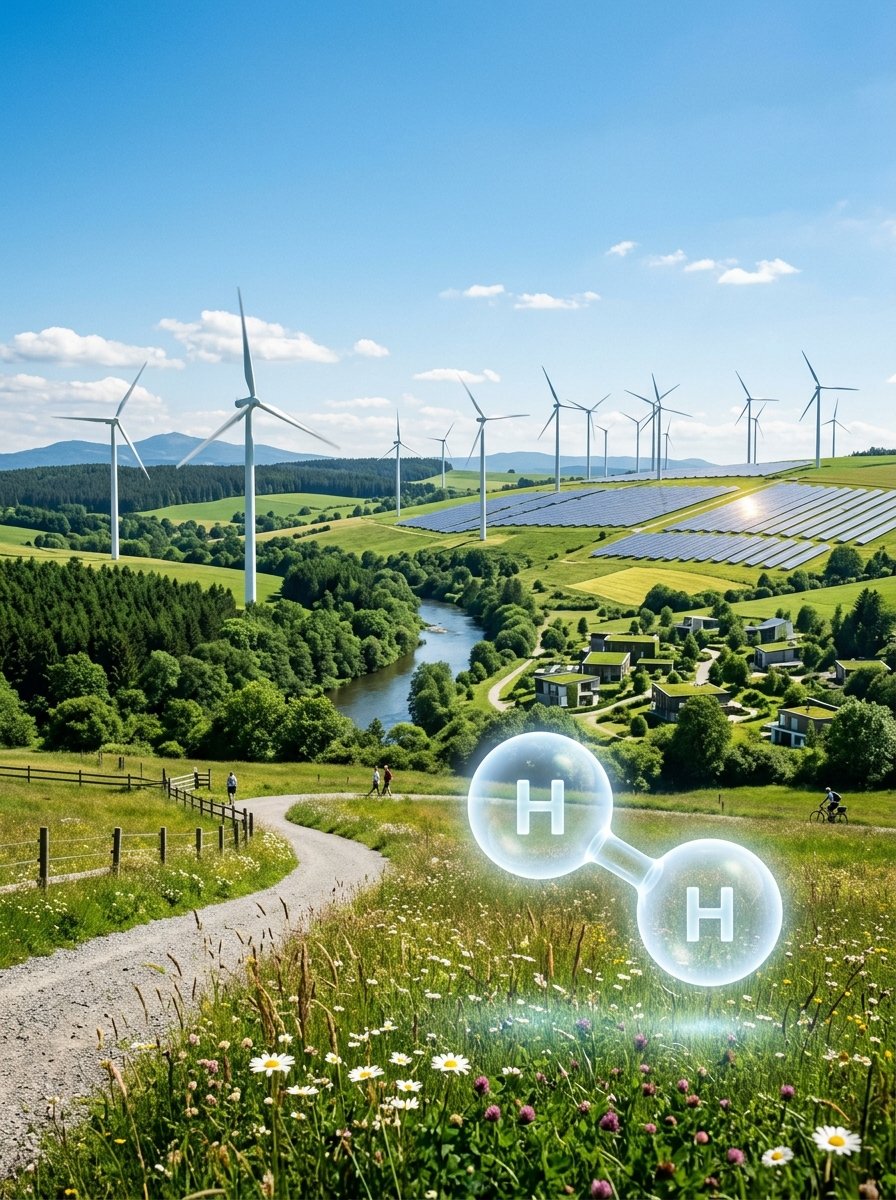
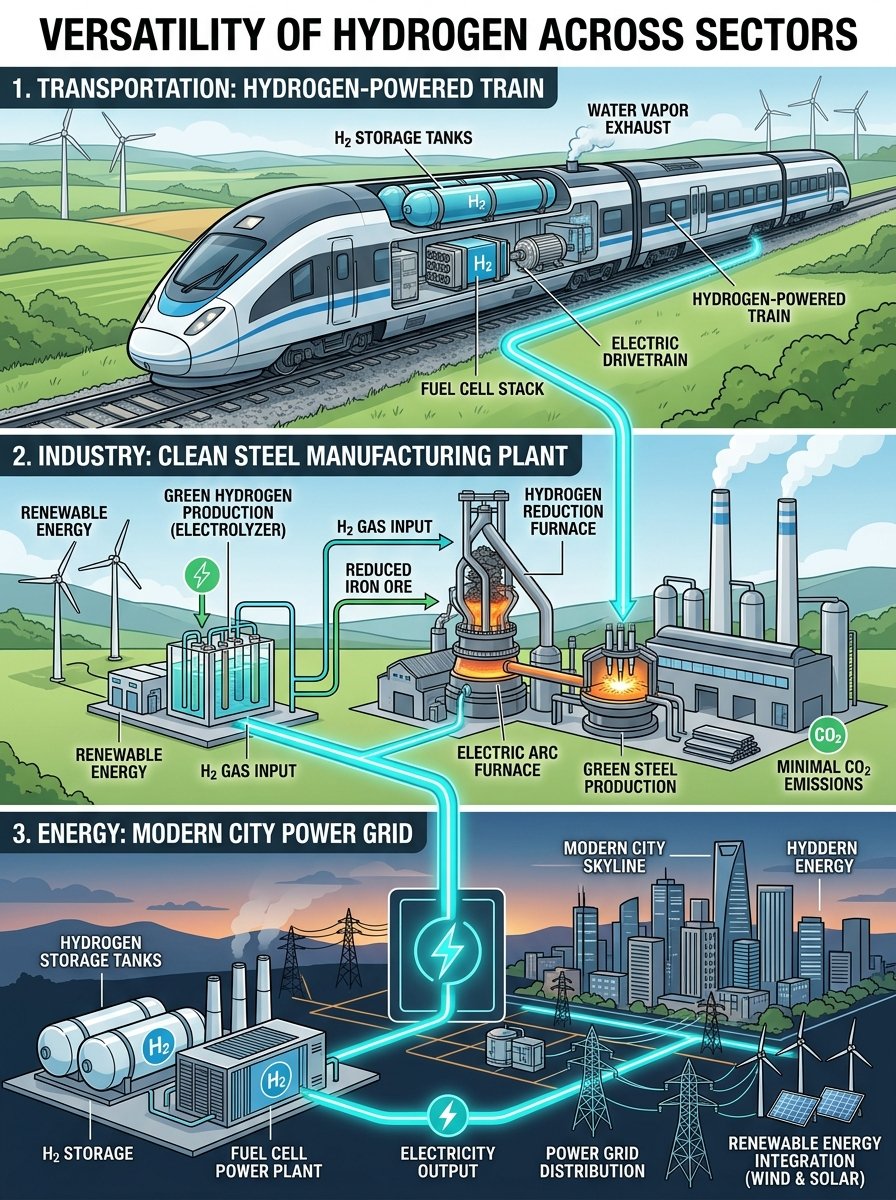
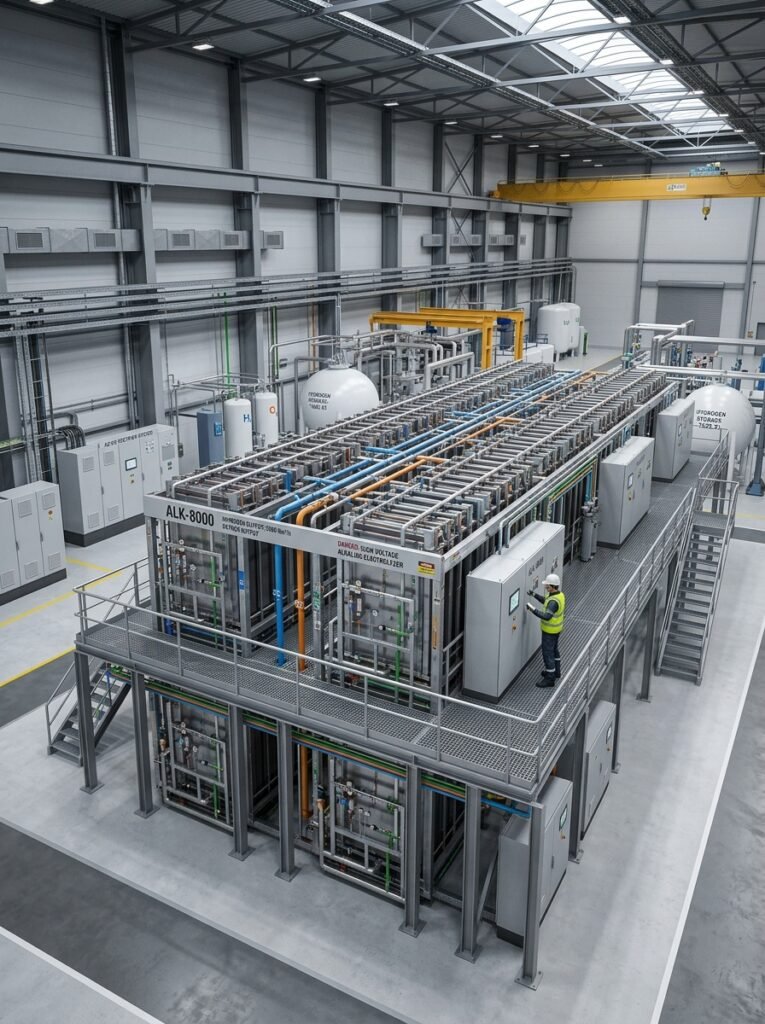
Green Hydrogen: The cleanest type, produced by splitting water through electrolysis powered entirely by renewable energy such as solar, wind, or hydropower. It releases zero carbon emissions, making it a key fuel for a sustainable, net-zero future.