
Renewable Energy Integration for Green Hydrogen Generation represents one of the most promising pathways toward a decarbonized global economy. As nations race to meet net-zero targets, the marriage of clean electricity sources with hydrogen production has emerged as a cornerstone strategy for storing energy, fueling heavy industry, and powering transportation sectors that are difficult to electrify directly.
Understanding Renewable Energy Integration for Green Hydrogen Generation
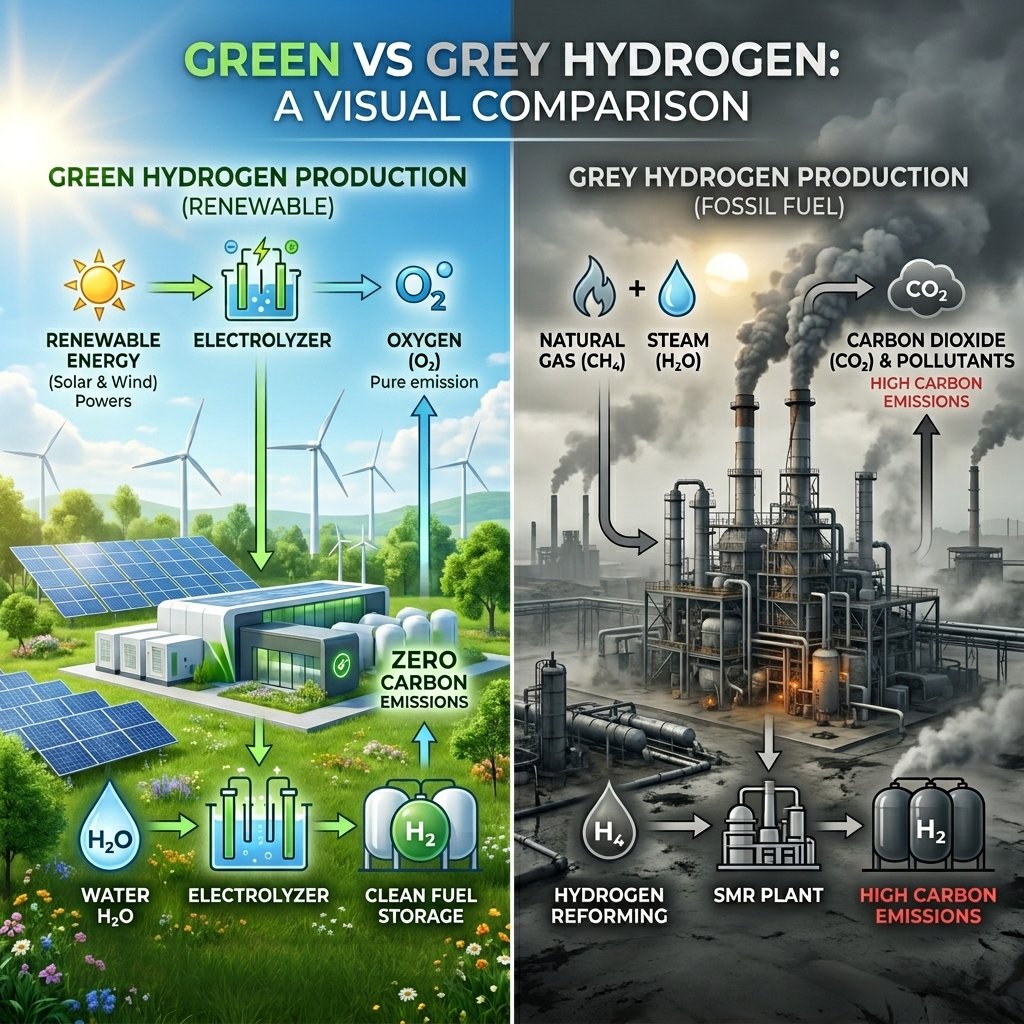
Green hydrogen is produced through electrolysis, a process that splits water molecules into hydrogen and oxygen using electricity. When that electricity comes from renewable sources such as solar panels, wind turbines, or hydroelectric plants, the resulting hydrogen is considered “green” because its production generates zero carbon emissions. This contrasts sharply with “grey” hydrogen, which is derived from natural gas and releases significant greenhouse gases into the atmosphere.
The integration process involves connecting variable renewable power sources directly to electrolyzers. Because solar and wind generation fluctuate with weather and time of day, sophisticated control systems are required to manage the inconsistent power supply. These systems ensure that electrolyzers operate efficiently even when energy input varies, maximizing hydrogen output while minimizing operational stress on equipment.
Key Technologies Driving the Transition
Several electrolyzer technologies dominate the current landscape. Alkaline electrolyzers are mature and cost-effective, making them popular for large-scale deployments. Proton Exchange Membrane (PEM) electrolyzers respond quickly to fluctuating power, which makes them ideally suited for pairing with intermittent renewable sources. Solid Oxide Electrolyzer Cells (SOECs) operate at high temperatures and offer superior efficiency, though they remain in earlier stages of commercialization.
Energy storage solutions play a vital supporting role. Battery systems and hydrogen storage tanks help smooth out the gaps between renewable generation peaks and electrolyzer demand. By storing excess solar or wind power, facilities can continue producing hydrogen during periods of low generation, improving overall plant utilization and economic viability.
Benefits of Combining Renewables with Hydrogen Production
The advantages of this integration extend across environmental, economic, and energy security dimensions. Environmentally, green hydrogen eliminates carbon emissions from sectors like steel manufacturing, ammonia production, and long-haul shipping. These industries have traditionally been challenging to decarbonize, and hydrogen offers a viable clean alternative.
From an economic standpoint, green hydrogen creates new revenue streams for renewable energy producers. During periods when electricity supply exceeds grid demand, surplus power that might otherwise be wasted can be diverted to hydrogen production. This curtailment reduction improves the financial performance of solar and wind farms while generating a valuable, storable commodity.
Energy security also improves significantly. Hydrogen can be stored for long durations and transported across vast distances, functioning as a strategic energy reserve. Countries with abundant renewable resources can produce green hydrogen for domestic use or export, reducing dependence on imported fossil fuels and strengthening national energy independence.
Challenges and Considerations
Despite its promise, this integration faces notable obstacles. The primary barrier remains cost. Electrolyzers, renewable installations, and supporting infrastructure require substantial capital investment. Although prices have fallen dramatically over the past decade, green hydrogen still costs more than conventional alternatives in most markets.
Infrastructure development presents another hurdle. Transporting and storing hydrogen demands specialized pipelines, compression facilities, and storage systems. Building this network at scale requires coordinated investment and supportive government policy. Additionally, the efficiency losses inherent in converting electricity to hydrogen and back again mean that direct electrification remains preferable for many applications.
Water availability also warrants careful consideration, as electrolysis consumes significant quantities of purified water. In water-scarce regions, this requirement may necessitate desalination or alternative sourcing strategies, adding complexity and cost to project development.
The Future Outlook
The trajectory for green hydrogen looks increasingly favorable. Governments worldwide are implementing supportive policies, including subsidies, tax incentives, and ambitious production targets. The European Union, Japan, Australia, and numerous other regions have unveiled comprehensive hydrogen strategies backed by substantial funding commitments.
Technological innovation continues to drive down costs while improving efficiency. As manufacturing scales up and electrolyzer designs mature, experts anticipate that green hydrogen will achieve cost parity with fossil-based alternatives within the coming decade. This tipping point will accelerate adoption across multiple industries.
Ultimately, Renewable Energy Integration for Green Hydrogen Generation stands poised to play a transformative role in the global energy transition. By harnessing the power of sun, wind, and water to produce clean fuel, this approach addresses some of the most stubborn challenges in decarbonization. As investment flows and technology advances, green hydrogen promises to become a fundamental pillar of a sustainable, low-carbon future—powering economies while protecting the planet for generations to come.